Nurturing Your Peace: Self-Care Practices in Stressful Times
Everyone today has a jam-packed schedule, leaving no wonder that one often feels stressed and stretched. Such are the provisions of work, chaos at home, or the tragic events of the present: anything can make knocking on the doors of stress. Self-care during these periods is not a luxury, really; it’s a very basic necessity. This article outlines the various activities of self-care that will be directed towards restoring balance, improving wellness, and uplifting you at times when times are tough.
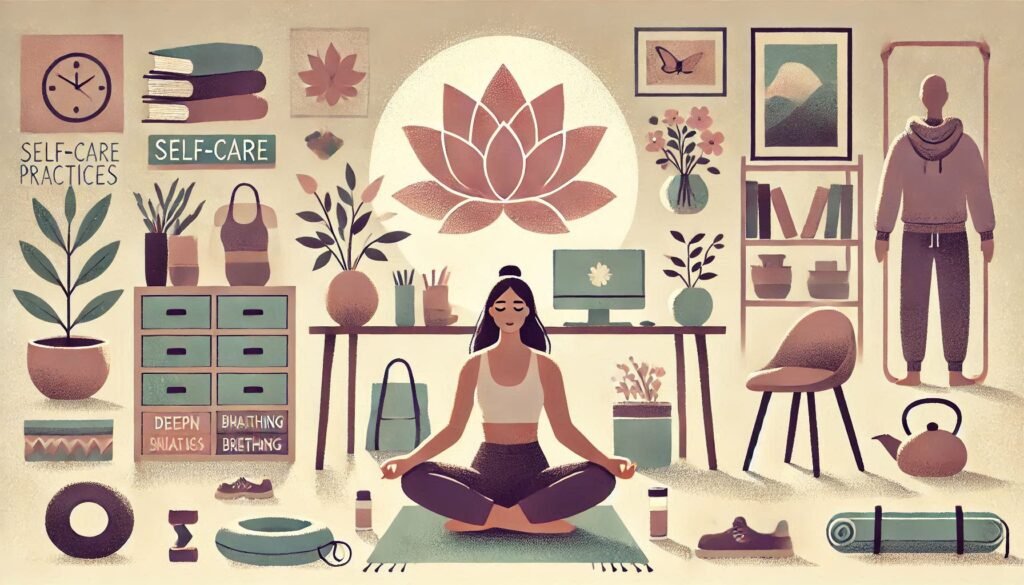
Defining Self-Care
We get it. Life throws curveballs. Work piles up. Deadlines loom. And if we are being completely honest with ourselves, that meme that describes exactly how I feel is the only thing keeping us sane sometimes. But in the midst of the chaos, let this reign true: taking care of yourself isn’t selfish; it’s self-preservation.
It’s similar to how you wouldn’t attempt to drive a car with an empty gas tank, right? You would cast away and be stuck, right? Well, your mental faculties and your body are no exception. They both need fuel.
The significance of self-care
Understanding why tone-care matters is the first step toward espousing these important practices. Numerous people frequently neglect their own requirements, believing that taking time for themselves is indulgent. still, prioritizing tone-care can have significant benefits
The benefits of self-care
• better mental health Regular self-care can reduce anxiety and depression, leading to a more positive outlook on life.
• Enhanced Productivity Taking breaks and minding for yourself can increase focus and productivity when you return to your tasks.
• More connections When you feel good about yourself, it reflects in your relationships with others, fostering healthier connections.
“Self-care is not self-indulgent; it means me too. It does not mean myself first.”-L.R. Knost
The practical self-care conditioning
Self-care can look different for everyone, and chancing what works best for you is vital. Then are some effective self-care practices you can collect to help manage stress
1. awareness and Contemplation
Awareness and contemplation are important tools for resting yourself amidst chaos. These practices encourage living in the present moment, which can greatly reduce anxiety about the future.
Getting Started with Awareness:
• Set away time Dedicate at least 5-10 twinkles daily.
• Focus on Your Breath Concentrate on your breathing and try to clear your mind.
• Guided Contemplations Use apps or online videos for backing. Coffers like Headspace or Calm can be helpful.
2. Physical Activity
Exercise is a proven stress reliever. It releases endorphins, the body’s natural mood lifters.
Simple Ways to Stay Active
• Walking A diurnal walk can do prodigies for your internal health.
• Yoga Combining movement with awareness, yoga can be veritably effective for stress relief.
• cotillion Put on your favorite music and cotillion like no bone is watching!
3. Creative Expression
Engaging in creative conditioning can be incredibly remedial. Expressing yourself through art, jotting, music, or cuisine allows you to conduct your feelings into commodity formative.
Try These Creative Outlets:
• Journaling Write down your studies, passions, and diurnal reflections. It can give clarity and sapience.
• Art systems oil, delineation, or casting can be calming and fulfilling.
• Cuisine/baking Experimenting with new fashions can be both delightful and satisfying.
4. Connecting with Nature

Nature has a unique ability to soothe the mind and body. Spending time outside can give an important-demanded break from the stress of diurnal life.
Ways to Engage with Nature
• Hiking Explore original trails to witness the beauty of your surroundings.
• Gardening Cultivating Shops can be a fulfilling and aware exertion.
• Picnics Enjoy a mess outdoors in a demesne to combine aliment with the serenity of nature.
5. Digital Detox
In a world constantly buzzing with announcements, a digital detox can be refreshing. decoupling from defenses for a while helps reduce anxiety caused by information load.
Tips for a Successful Detox
• Schedule time-out Allocate specific hours each day to open.
• Engage in offline conditioning conclude for books, games, or pursuits that do n’t involve defenses.
Listening to Your Body
Self-care also means being attentive to your body’s requirements. Take note of signs that indicate stress or fatigue. Then there are many strategies to keep in mind
Mind Your Sleep
Acceptable rest is pivotal for effective functioning. Aim for 7–9 hours of quality sleep each night.
Nourish Your Body
Eating a balanced diet rich in fruits, vegetables, and whole grains can significantly affect how you feel. Flash back to hydrate!
Regular Check-Ins
Take a moment each day to assess your emotional and physical state. Ask yourself
• What am I feeling right now?
• What does my body need at this moment?
• Have I taken time for myself moment?
Conclusion Make self-care a Priority
As we navigate through stressors unique to our lives, it’s pivotal to remember that minding for ourselves is consummate. By integrating tone-care practices, you can produce a buffer against stress and promote a healthier mindset.
Flash back, small way frequently lead to significant changes.
“Self-care is not a luxury; it’s a necessity.”
So, carve out some dedicated “me time” in your routine. You deserve it!
If you’d like to dive deeper into self-care techniques, consider exploring Psychology Today’s self-tips for additional resources.
Whether you choose to meditate, dance, or take a quiet walk in nature, the key lies in recognizing your worth and embracing practices that nurture your well-being.