Superfoods are often hailed as the nutritional powerhouses of our diets, packed with vitamins, minerals, and antioxidants that can significantly enhance our health. But what exactly qualifies a food as a superfood? In this blog, we will explore the concept of superfoods, their origins, and how they can benefit our well-being.
What Are Superfoods?
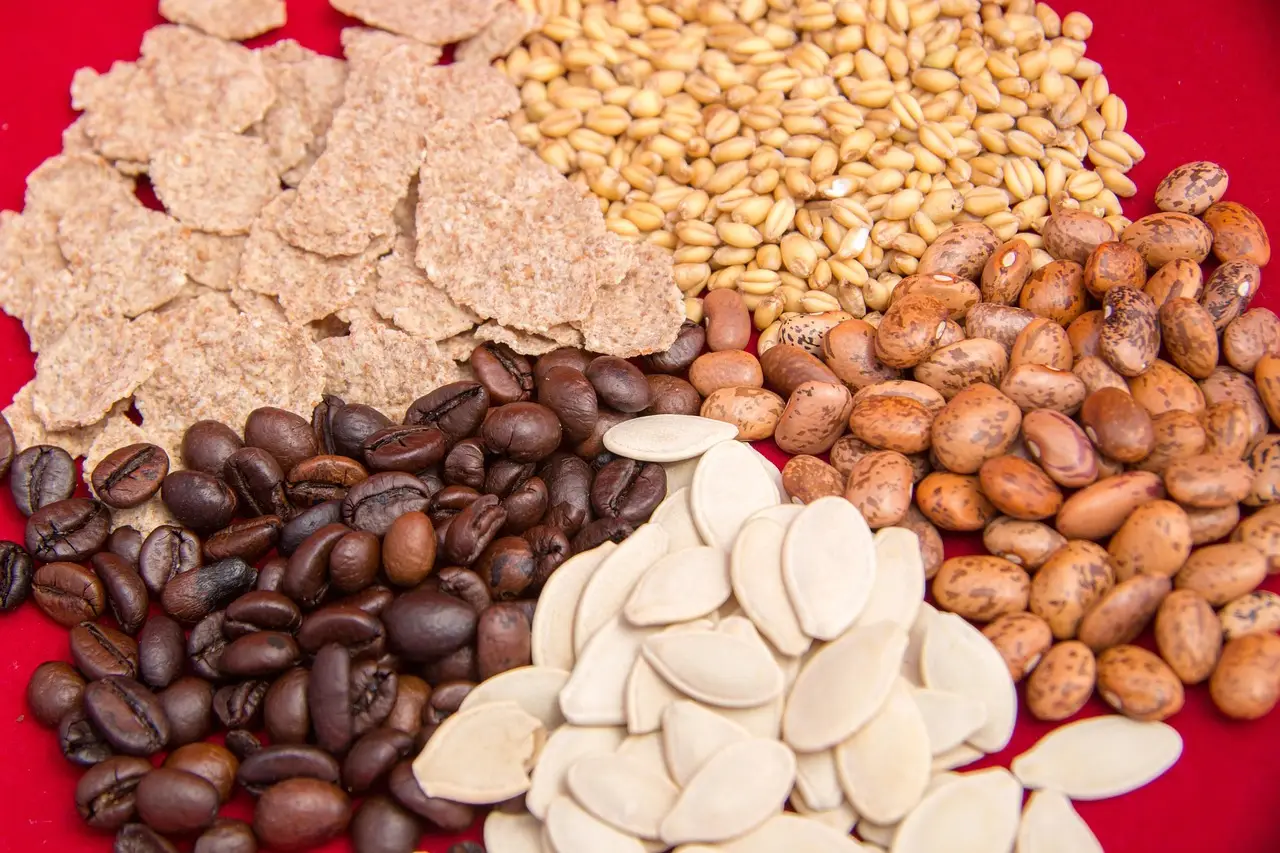
Superfoods are typically defined as foods that have an exceptionally high nutritional density. This means they provide a wealth of nutrients while being low in calories. Common examples include blueberries, salmon, quinoa, and kale. While there is no official scientific definition or regulatory standard for superfoods, they are generally recognized for their health-promoting properties and potential to prevent diseases
Nutritional Benefits
The allure of superfoods lies in their rich content of essential nutrients:
- Antioxidants: These compounds help combat oxidative stress in the body, potentially reducing the risk of chronic diseases.
- Vitamins and Minerals: Superfoods often contain high levels of vitamins A, C, E, and K, along with minerals like calcium and iron.
- Fiber: Many superfoods are excellent sources of dietary fiber, which supports digestive health and helps maintain a healthy weight.
Popular Superfoods
Here are some widely recognized superfoods that you might consider incorporating into your diet:
- Berries: Blueberries and acai berries are rich in antioxidants and have been linked to improved heart health.
- Leafy Greens: Spinach and kale provide essential vitamins and minerals while being low in calories.
- Nuts and Seeds: Walnuts and chia seeds offer healthy fats and protein, contributing to heart health.
- Whole Grains: Quinoa and brown rice are excellent sources of complex carbohydrates and fiber.
- Seafood: Fatty fish like salmon are high in omega-3 fatty acids, which support brain health.
The Historical Context
The term “superfood” may be relatively new, but many of these foods have been valued for centuries. For instance:
- Quinoa, often referred to as the “mother grain,” was a staple for ancient Andean civilizations due to its complete protein profile.
- Chia seeds were consumed by the Aztecs for their energy-boosting properties
These foods have deep historical roots, showcasing their long-standing significance in various cultures around the world
How to Incorporate Superfoods into Your Diet
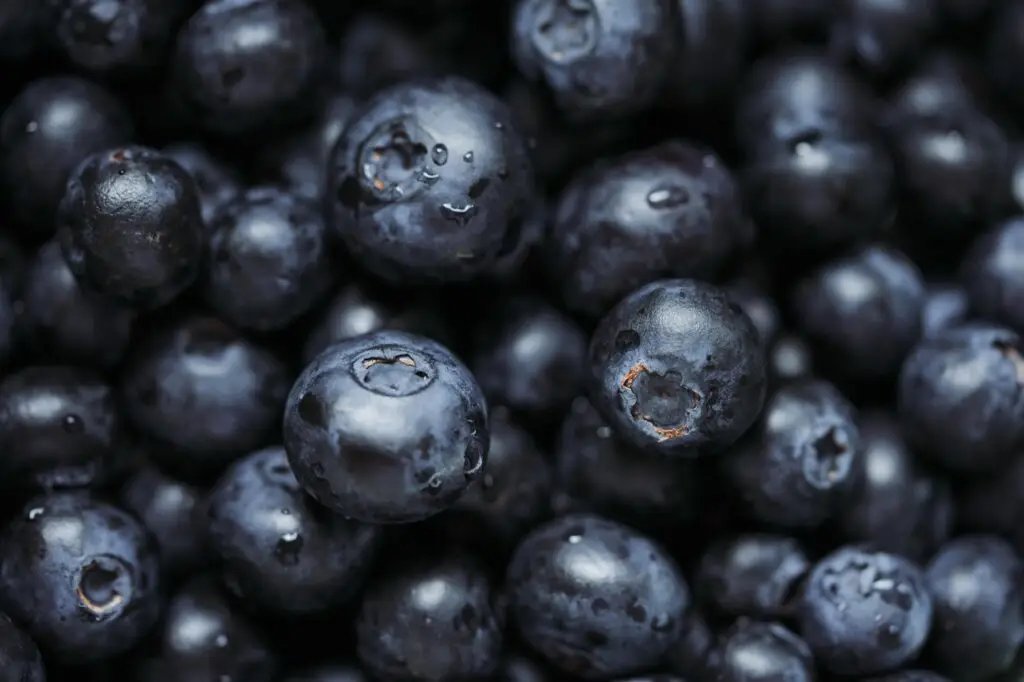
Incorporating superfoods into your daily meals can be simple and enjoyable. Here are some tips:
- Smoothies: Blend berries, spinach, and a scoop of chia seeds for a nutrient-packed breakfast.
- Salads: Toss leafy greens with nuts, seeds, and a variety of colorful vegetables for a vibrant lunch option.
- Snacks: Opt for nuts or yogurt with fruit as healthy snacks throughout the day.
A Balanced Approach
While superfoods can provide significant health benefits, it’s essential to remember that no single food can offer all the nutrients your body needs. A balanced diet rich in variety is key to optimal health. Focus on incorporating a range of fruits, vegetables, whole grains, lean proteins, and healthy fats into your meals
Conclusion
Superfoods represent nature’s best offerings—nutrient-dense foods that can enhance our health when included as part of a balanced diet. By understanding what qualifies as a superfood and how to incorporate them into our meals, we can take proactive steps toward better health. Embrace these powerful foods not just for their nutritional benefits but also for their rich histories that connect us to cultures around the world.